+5
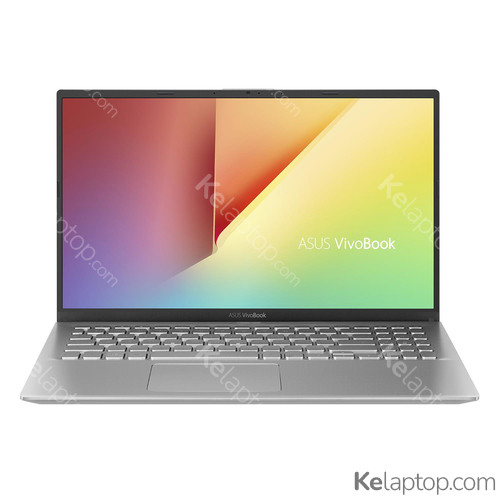
ASUS VivoBook 15 K512JP-BQ299T-BE
Ausstattung
Preise

Haupteigenschaften
| Prozessor | Intel Core i7-1065G7 1,3GHz |
|---|---|
| Bildschirm | 15.6" 1920x1080 IPS 60Hz 250 nits |
| Festplatte | 1,26TB HDD+SSD |
| RAM | 16GB DDR4-SDRAM |
| Betriebssystem | Windows 10 Home |
| Grafik | NVIDIA GeForce MX330 2GB GDDR5 |
Alternativen mit gleicher oder höherer Leistung zu einem ähnlichen oder niedrigeren Preis
Von ASUS


Spezifikationen des ASUS VivoBook 15 K512JP-BQ299T-BE
| Referenznummer / Part Number | 90NB0QWC-M04180 |
|---|---|
| Erscheinungsdatum | Juli 2020, vor 6 Jahren |
Design
| Produkttyp | Laptop |
|---|---|
| Produktfarbe | Silber |
| Formfaktor | Klappgehäuse |
Bildergalerie


Bildschirm
| Bildschirmdiagonale | 39,6 cm |
|---|---|
| Display-Auflösung | 1920 x 1080 Pixel |
| Touchscreen | Nein |
| HD-Typ | Full HD |
| Panel-Typ | IPS |
| LED-Hintergrundbeleuchtung | Ja |
| Natives Seitenverhältnis | 16:9 |
| Display-Oberfläche | Matt |
| Helligkeit | 250 cd/m² |
| Maximale Bildwiederholrate | 60 Hz |
| NTSC Abdeckung (typisch) | 45 % |
Prozessor
| Prozessorfamilie | Intel® Core™ i7 |
|---|---|
| Prozessorhersteller | Intel |
| Prozessor | i7-1065G7 |
| Prozessor-Taktfrequenz | 1,3 GHz |
| Prozessorgeneration | Intel® Core™ i7 Prozessoren der 10. Generation |
| Prozessor Boost-Frequenz | 3,9 GHz |
| Prozessor-Threads | 8 |
| Systembus-Rate | 4 GT/s |
| Anzahl Prozessorkerne | 4 |
| Prozessor-Cache | 8 MB |
| Prozessor Cache Typ | Smart Cache |
| Prozessorsockel | BGA 1526 |
| Prozessor Lithografie | 10 nm |
| Prozessorbetriebsmodi | 64-bit |
| Thermal Design Power (TDP) | 15 W |
| TDP-up Frequenz konfigurierbar | 1,5 GHz |
| TDP-up konfigurierbar | 25 W |
| TDP-down konfigurierbar | 12 W |
| TDP-down Frequenz konfigurierbar | 1 GHz |
| Tjunction | 100 °C |
| PCI-Express-Slots-Version | 3.0 |
Speicher
| Speicherkapazität | 16 GB |
|---|---|
| Interner Speichertyp | DDR4-SDRAM |
| Speichertaktfrequenz | 2666 MHz |
| Memory Formfaktor | On-board + SO-DIMM |
Speichermedium
| Gesamtspeicherkapazität | 1,26 TB |
|---|---|
| Speichermedien | HDD+SSD |
| Optisches Laufwerk - Typ | Nein |
| Gesamtkapazität der HDDs | 1 TB |
| Anzahl der installierten HDDs | 1 |
| HDD Kapazität | 1 TB |
| HDD Geschwindigkeit | 5400 RPM |
| Gesamtkapazität der SSDs | 256 GB |
| Anzahl SSD installiert | 1 |
| SSD Speicherkapazität | 256 GB |
| SSD Schnittstelle | PCI Express 3.0 |
| Integrierter Kartenleser | Ja |
| Kompatible Speicherkarten | MicroSD (TransFlash) |
Grafik
| Eingebaute Grafikadapter | Ja |
|---|---|
| Separater Grafikadapter | Ja |
| Separates Grafikkartenmodell | NVIDIA GeForce MX330 |
| Eingebautes Grafikkartenmodell | Intel® Iris™ Plus Graphics |
| Getrennter GPU-Hersteller | NVIDIA |
| On-Board Grafikadapter Basisfrequenz | 300 MHz |
| Maximale dynamische Frequenz der On-Board Grafikadapter | 1100 MHz |
| On-Board Grafikadapter DirectX Version | 12.0 |
| On-Board Grafikadapter OpenGL Version | 4.5 |
| On-Board Grafikadapter Geräte-ID | 0x8A52 |
| Separater Grafik-Adapterspeicher | 2 GB |
| Dedizierter Grafikspeicher Typ | GDDR5 |
Audio
| Audio-System | SonicMaster |
|---|---|
| Eingebautes Mikrofon | Ja |
Kamera
| Frontkamera | Ja |
|---|---|
| Frontkamera HD Typ | HD |
Netzwerk
| Mobile Netzwerkverbindung | Nein |
|---|---|
| Top WLAN-Standard | Wi-Fi 5 (802.11ac) |
| WLAN-Standards | 802.11a,802.11b,802.11g,Wi-Fi 4 (802.11n),Wi-Fi 5 (802.11ac) |
| Antennentyp | 1x1 |
| Ethernet/LAN | Nein |
| Bluetooth | Ja |
| Bluetooth-Version | 4.1 |
Anschlüsse und Schnittstellen
| Anzahl USB 2.0 Anschlüsse | 2 |
|---|---|
| USB 3.2 Gen 1 (3.1 Gen 1) Anzahl der Anschlüsse vom Typ A | 1 |
| USB 3.2 Gen 1 (3.1 Gen 1) Anzahl der Anschlüsse vom Typ C | 1 |
| Anzahl HDMI-Anschlüsse | 1 |
| Kombinierter Kopfhörer-/Mikrofon-Anschluss | Ja |
Tastatur
| Numerisches Keypad | Ja |
|---|---|
| Eingabegerät | Touchpad |
| Tastaturaufbau | AZERTY |
Software
| Installiertes Betriebssystem | Windows 10 Home |
|---|
Prozessor Besonderheiten
| Intel® Hyper-Threading-Technik (Intel® HT Technology) | Ja |
|---|---|
| Intel® Turbo-Boost-Technologie | 2.0 |
| Intel® Quick-Sync-Video-Technik | Ja |
| Intel® AES New Instructions (Intel® AES-NI) | Ja |
| Intel® Trusted-Execution-Technik | Nein |
| Intel® VT-x mit Extended Page Tables (EPT) | Ja |
| Intel® Sicherer Schlüssel | Ja |
| Intel® TSX-NI | Nein |
| Intel Stable Image Platform Program (SIPP) | Nein |
| Intel® OS Guard | Ja |
| Intel® Software Guard Extensions (Intel® SGX) | Ja |
| Intel® 64 | Ja |
| Execute Disable Bit | Ja |
| Leerlauf Zustände | Ja |
| Thermal-Überwachungstechnologien | Ja |
| Prozessor-Paketgröße | 50 x 25 mm |
| Unterstützte Befehlssätze | SSE4.1,SSE4.2,AVX 2.0,AVX-512 |
| CPU Konfiguration (max) | 1 |
| Eingebettete Optionen verfügbar | Nein |
| Intel® Virtualisierungstechnik für direkte I/O (VT-d) | Ja |
| Intel® Virtualization Technologie (VT-X) | Ja |
| ARK Prozessorerkennung | 196597 |
Akku/Batterie
| Batteriekapazität | 37 Wh |
|---|---|
| Anzahl Batteriezellen | 2 |
Energie
| Netzteilstärke | 65 W |
|---|---|
| Netzteilfrequenz | 50/60 Hz |
| Netzteil Eingansgsspannung | 100 - 240 V |
| AC-Adapter Ausgangssstrom | 3,42 A |
| Netzteil Ausgangsspannung | 17 V |
Sicherheit
| Fingerabdruckscanner | Ja |
|---|---|
| Passwortschutz | Ja |
| Passwortschutz-Art | BIOS,User |
Gewicht und Abmessungen
| Gewicht | 1,7 kg |
|---|---|
| Breite | 357,2 mm |
| Tiefe | 230,4 mm |
| Höhe | 19,9 mm |
Häufige Fragen
Eignet sich das ASUS VivoBook 15 K512JP-BQ299T-BE zum Spielen?
Man kann darauf spielen, auch wenn dieser Laptop nicht dafür gebaut wurde: Er trägt die dedizierte NVIDIA GeForce MX330. Auf ihrer Seite steht, auf welchem Niveau sie aktuelle Spiele stemmt.
Wie ist das Display des ASUS VivoBook 15 K512JP-BQ299T-BE?
Es trägt ein Display mit 15.6" 1920x1080 IPS 60Hz 250 nits.
Welchen Prozessor und welche Grafikkarte hat das ASUS VivoBook 15 K512JP-BQ299T-BE?
Es läuft mit dem Prozessor Intel Core i7-1065G7 und der Grafik NVIDIA GeForce MX330. Auf ihren Seiten stehen Benchmarks, Ranking-Position und Alternativen.
Mit welchem Betriebssystem kommt das ASUS VivoBook 15 K512JP-BQ299T-BE?
Es kommt mit vorinstalliertem Windows 10 Home.
Welche Anschlüsse hat das ASUS VivoBook 15 K512JP-BQ299T-BE?
Laut Datenblatt: 1 × USB-C, 1 × USB-A, 1 × HDMI, Kartenleser, Kopfhöreranschluss (3,5 mm).
Hat das ASUS VivoBook 15 K512JP-BQ299T-BE einen Touchscreen?
Nein, laut Datenblatt ist das Display kein Touchscreen.
Wie viel wiegt das ASUS VivoBook 15 K512JP-BQ299T-BE?
Es wiegt 1,7 kg, ein normales Gewicht für seine Größe: gut zu transportieren.
Wann kam das ASUS VivoBook 15 K512JP-BQ299T-BE heraus?
Sein Erscheinungsdatum ist Juli 2020, vor 6 Jahren.